How vehicle-secured borrowing is built
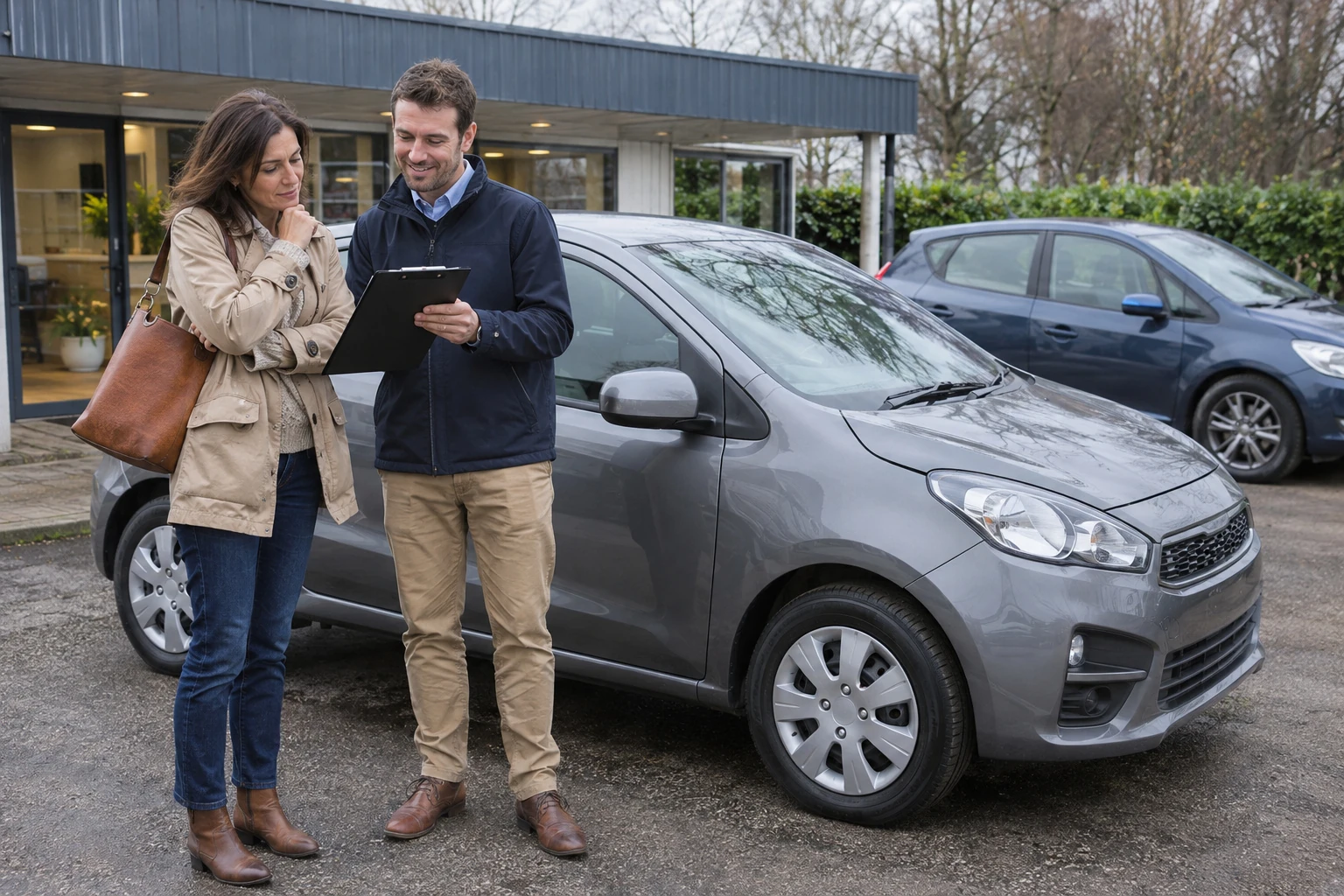
Car title loans without credit checks are loans where the lender advances money against the value of a vehicle you own outright or mostly own, and the vehicle serves as security. Because the car backs the debt, the lender puts less weight on your credit report and more on the vehicle's age, condition, market value and your ability to keep making payments.
Borrowers usually keep driving the car while they repay. The lender, however, gains a legal claim on it. If payments stop, that claim can lead to repossession and sale. This is why vehicle-secured loans carry more risk than an unsecured loan of the same size: the thing at stake is often how a person gets to work.
What lenders typically examine
Even where a credit report is not the main document, a lender will want proof of several things.
- Ownership: a registration showing your name, and confirmation of whether any other lien exists on the vehicle
- Condition: an inspection or photos, plus odometer reading
- Insurance: proof that the vehicle is insured, since damage would destroy the lender's security
- Identity and income: photo ID and some evidence that you can make the payments
Cash Money, a national consumer lender, offers what it calls an Auto Equity Loan, which is applied for in a branch, and it states that it reports information on this product to Equifax Canada. That detail matters. A loan marketed as indifferent to credit may still appear on your file, which can help your score if you pay on time and hurt it if you do not.
A numbers example in dollars
Take a hypothetical borrower, Naledi, who owns a 2016 compact car valued at about 9,000 dollars and needs 2,500 dollars to repair her roof before winter. The figures here are an illustration, not a quote.
| Scenario | Rate | Term | Approximate payment | Approximate interest |
|---|---|---|---|---|
| Lower-cost lender | 19% APR | 24 months | 126 dollars | about 525 dollars |
| Higher-cost lender | 34.9% APR | 24 months | 146 dollars | about 1,000 dollars |
The same car and the same need produce roughly twice the interest, depending on who lends. That gap is the reason to compare at least two offers, including one from a bank or credit union, before accepting a vehicle-secured product.
Remember that if Naledi defaulted in either scenario, the consequence would be the same: she could lose a 9,000 dollar vehicle to settle a 2,500 dollar debt, subject to the rules of her province on how seizures and sales must be handled.
The legal picture in Canada
The federal criminal interest rate is 35% APR for agreements concluded on or after January 1, 2025. Exceptions exist for commercial loans, pawn loans and payday loans. A vehicle-secured consumer loan is not named in that list of exceptions, so a lender should generally not charge above the ceiling, but the federal consumer agency's page about vehicle-secured loans could not be read when this information was gathered, and provincial rules on repossession and notice differ. Because those details could not be verified, treat them as questions to put to your provincial consumer protection office rather than assumptions.
Questions about seizure
- Must the lender send written notice before repossessing the vehicle?
- Do you have a period to catch up on missed payments?
- If the vehicle is sold for less than you owe, are you liable for the difference?
- If it sells for more, who receives the surplus?
Ask for these answers in writing. A lender who dodges the questions is giving you information about how it operates.
Costs beyond the stated rate
The headline rate is only one piece of the bill. Add up all of the following before comparing offers.
- Administration or documentation fees
- Registration of the lender's claim on your vehicle
- Required insurance, including a possible requirement to name the lender on the policy
- Late payment charges and costs of a returned payment
- Optional extras such as payment protection plans
Ask the lender for the total cost of borrowing in dollars over the entire term. If the figure is not provided, request it again, in writing. Lenders are expected to disclose the cost of borrowing before you agree, and a hesitant answer is a reason to pause.
Options that keep the car out of it
Because the vehicle is essential for many households, look at other routes first. Ask your bank about a small unsecured loan or an overdraft. Credit unions often lend to members with limited history and may offer a lower rate. A payment arrangement with whoever you owe can remove the need to borrow at all.
If debts are piling up, a non-profit counsellor can review your whole budget. Credit Counselling Society, a registered non-profit, serves most provinces and its counsellors can set up a debt management plan. The service is confidential, and the first conversation does not commit you to anything. Counselling can also help you find out whether a vehicle loan would improve or worsen your position over the next two years.
When a vehicle loan can make sense, and when it cannot
A vehicle-secured loan can be reasonable when the need is a one-time, well-defined expense, when you have a repayment plan based on steady income, and when no cheaper source will lend to you. A roof repair, a tooth extraction or a security deposit on a new apartment are examples of expenses with a clear end point.
It is a poor fit when the money is meant to cover ongoing monthly shortfalls. Consider Hugo, a courier in Moncton who borrows 1,800 dollars against his van to pay for groceries and rent during a slow season. The loan solves February, but from March he owes an extra payment each month on top of the same expenses. Unless his income rises, the gap returns and the van is now at risk. A conversation with a credit counsellor before signing might have uncovered income support or a negotiated payment schedule that avoided the loan altogether.
Also think about timing. A loan that runs longer than the useful life of the car leaves you paying for something that may no longer drive. Match the term to how long you realistically expect to keep the vehicle.
Signs the loan is too large
- The monthly payment exceeds what you can set aside after rent and food.
- You expect to borrow again to meet the payment.
- The term runs longer than the time you plan to keep the vehicle.
- The amount borrowed is close to the vehicle's full value.
Before you hand over the paperwork
- Check that your vehicle has no other lien registered against it.
- Request an offer from at least two lenders, plus your own bank.
- Calculate the monthly payment as a share of your take-home pay.
- Confirm whether the loan appears on your credit report and how late payments are handled.
- Keep a copy of the signed contract, the insurance requirements and all receipts.
Never give the original ownership document to someone you have found online and not verified. Fraudsters sometimes pose as lenders to collect fees or personal information. If you receive a message claiming you are pre-approved for a car loan before you have applied, treat it with suspicion and verify the lender through its official branch or website. You may report suspected fraud to the Canadian Anti-Fraud Centre.